
How To Feed Your Live Starter Kit
Keep your GG’s live sourdough starter happy, healthy and ready to bake with.
Your live starter kit has already been woken up and cared for by GG’s, so it is ready for you to continue feeding at home. With a little flour, water and routine, your starter can become something you bake with again and again.
Sourdough starter is alive, so don’t worry if it changes slightly from day to day. Warmer kitchens, cooler rooms, different flours and feeding times can all affect how quickly it bubbles and rises.
What You'll Need
- Your GG’s live starter kit
- Plain flour or strong white bread flour
- Room temperature water
- A clean jar or container
- A spoon
- A loose fitting lid, cloth or kitchen paper
- A warm spot in your kitchen
How to feed your starter
A simple feeding ratio is:
1 part starter
1 part flour
1 part water
For example:
25g starter
25g flour
25g water
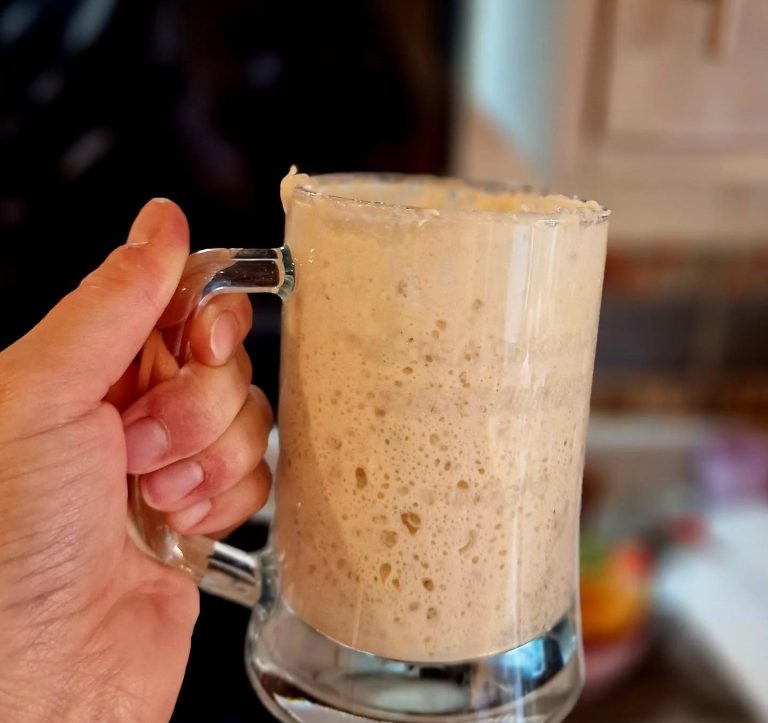
Stir everything together until fully mixed. The texture should be like a thick paste or thick pancake batter.
Cover the jar loosely and leave it at room temperature.
When is it ready to use?
Your starter is ready to bake with when it:
- Has lots of bubbles
- Smells pleasantly tangy, yeasty or slightly fruity
- Has risen in the jar after feeding
- Looks active and lively
- Usually reaches its peak around 4 to 8 hours after feeding, depending on room temperature
A good tip is to put an elastic band around the jar at the starter’s level after feeding. This helps you see how much it has risen.
If you bake often
If you plan to bake regularly, you can keep your starter at room temperature and feed it daily.
Each day:
- Keep a small amount of starter in the jar.
- Feed with fresh flour and water.
- Leave loosely covered at room temperature.
- Use it when bubbly and active.
You don’t need to keep a huge amount. A small, well fed starter is easier to manage.
If you only bake now and again
If you don’t bake every day, keep your starter in the fridge.
To store it:
- Feed your starter.
- Let it sit at room temperature for around 1 to 2 hours.
- Pop it in the fridge with the lid loosely fitted.
When you want to bake:
- Take it out of the fridge.
- Feed it with flour and water.
- Leave it somewhere warm.
- Once it is bubbly and rising well, it is ready to use.
If it has been in the fridge for a while, it may need one or two feeds before baking.
What if liquid appears on top?
A little liquid on top is usually called hooch. It can happen when your starter is hungry.
If it smells tangy or slightly vinegary, that is usually normal.
You can either stir it back in or pour it off, then feed your starter.
If it smells very unpleasant, looks mouldy, or has fuzzy growth, it is safest to discard it.
Keeping your starter healthy
Use clean utensils
A clean jar and spoon help keep your starter healthy.
Don’t seal it tightly
Your starter needs a little airflow, so keep the lid loose.
Keep it warm, not hot
A warm kitchen spot is ideal. Avoid direct heat.
Feed it when it looks hungry
If it has collapsed, smells sharp, or has liquid on top, it probably needs feeding.
Don’t worry if it slows down
Cooler kitchens can make starters slower. Give it time and another feed.
Quick feeding example
If you have a small amount of starter left in your jar:
Add:
30g starter
30g flour
30g water
Mix well, cover loosely, and leave until bubbly and risen.
Once active, you can use some for baking and keep some back to feed again.
Need help?
If you bought your starter kit from GG’s and you’re unsure whether it’s ready, send over a photo and we’ll happily help.
Need a starter kit or a fresh loaf while yours wakes up?
Allergy note: This recipe contains wheat/gluten. Other allergens may be present depending oningredients and inclusions.
Please see our Allergen Information.